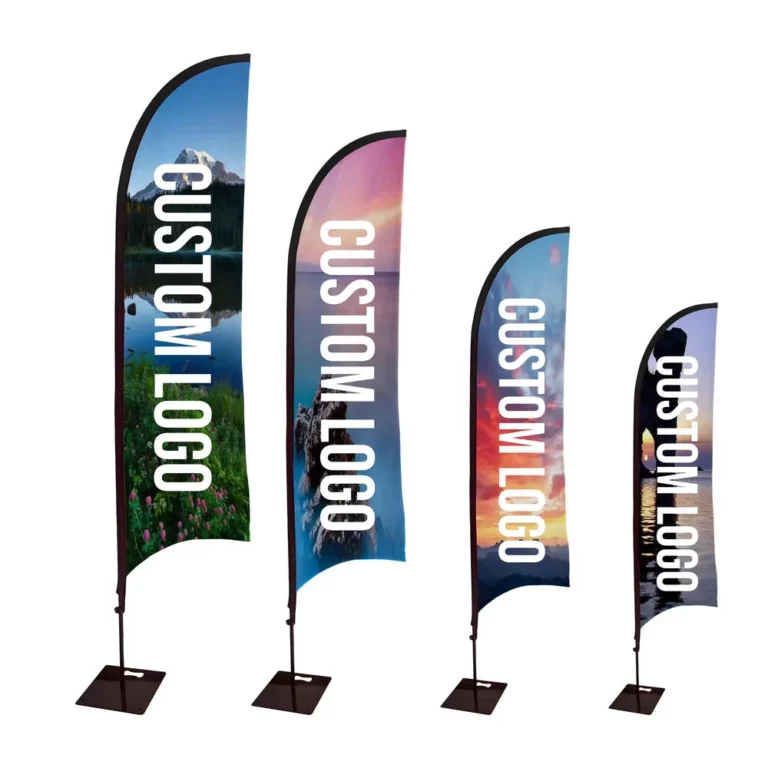
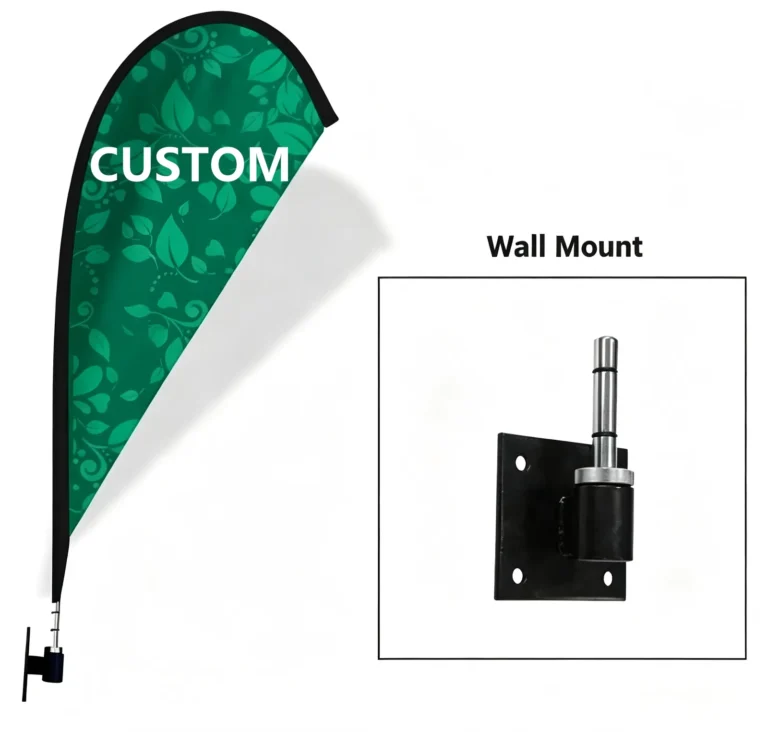
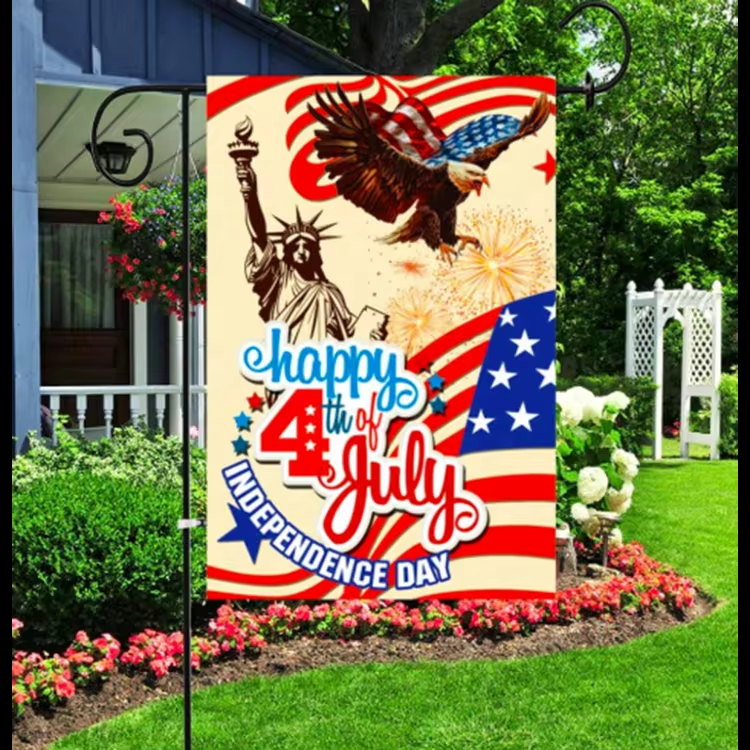
Wash a printed polyester flag by hand or on a gentle cycle in cool water with mild detergent, rinse it well and hang it to dry.
- Avoid: bleach of any kind, wringing and the tumble dryer
- Creases: a garment steamer, or the iron’s lowest setting from the back with a pressing cloth
- Lifespan: set by sun, wind and fabric weight; there is no honest single figure
- Storage: completely dry, rolled or loosely folded, away from light and heat
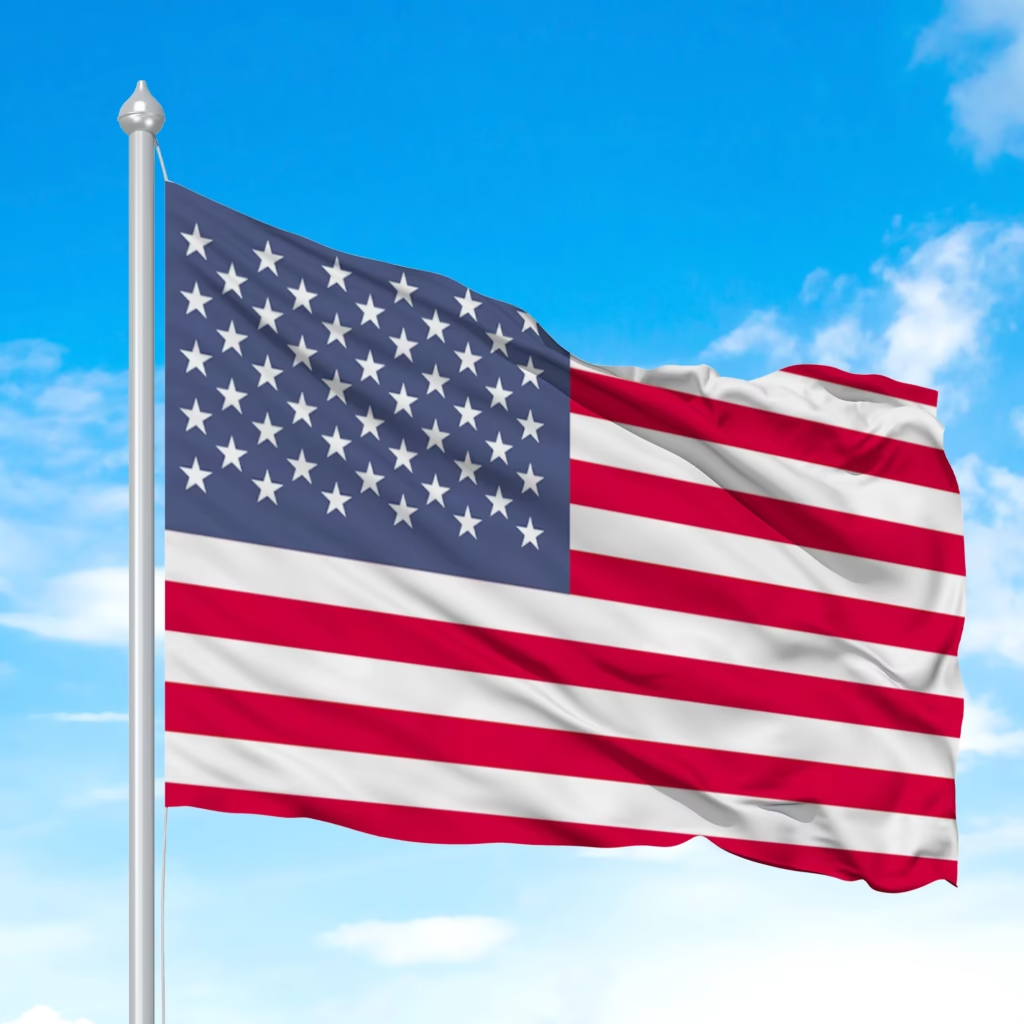
From our factory
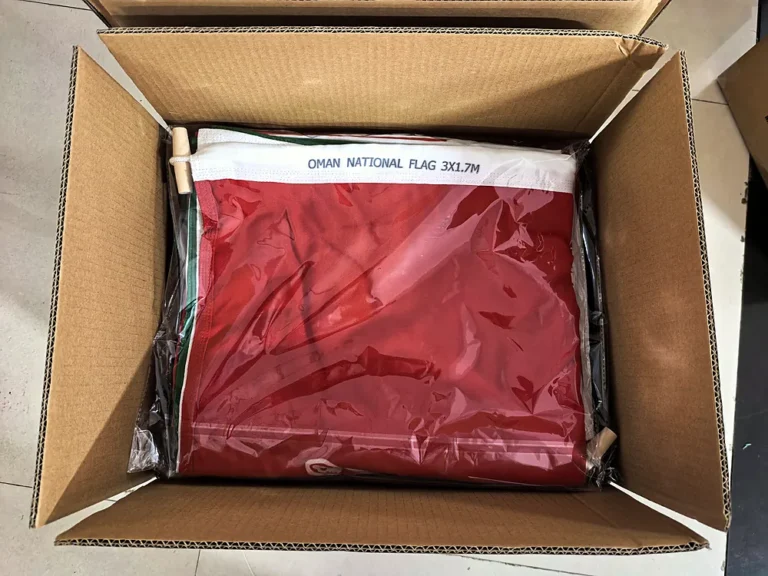
Senior Flags has printed flags in Lu’an, Anhui, since 2003, on polyester from 68D to 300D. Each flag is folded and bagged individually for shipping, so new stock arrives with fold lines. If your order comes with its own care instructions, follow those first.
How do you wash a printed flag?
Wash a printed flag gently in cool water with a mild detergent, because the print wears out before the polyester does. Most custom flags, including ours, are polyester, and polyester tolerates gentle washing well.
- Shake off loose dirt and check for tears. Washing makes small tears bigger, so repair them first.
- Use cool water and a mild detergent. Hand washing in a basin is the safest option. If you use a machine, choose a gentle cycle and put the flag in a mesh laundry bag. Wash it straight away rather than leaving it to soak, and skip the spin cycle, which Fahnen-Gärtner advises against for printed flags.
- No bleach of any kind, including oxygen bleach, and no harsh stain removers. They attack the printed colors before they touch the dirt.
- Rinse until the water runs clear. Leftover detergent attracts dirt and can leave marks when the flag dries in the sun.
- Do not wring it. Press the water out between towels.
- Hang it to dry out of direct sun, and let it dry completely before folding. Do not put it in the tumble dryer: the heat can damage the fabric and the print.
Flag makers agree on most of these steps. Annin advises cool water, a mild detergent and a hand wash or delicate cycle. Eder Flag rules out the tumble dryer, and German maker Fahnen-Gärtner asks for a detergent without bleach. They differ on water temperature: Annin says cool water, while Fahnen-Gärtner allows up to 60 °C for its printed polyester. When you do not know how a flag was printed, cool water is the safe default.
How often should you wash an outdoor flag?
Wash an outdoor flag only when it looks dirty. Every wash puts some wear on the print and the stitching. A flag on a busy road or near the sea gets dirty faster than one in a garden.
How do you get wrinkles and creases out of a flag?
Hang the flag first, then use a garment steamer or a low iron from the back on any creases that stay. New flags arrive folded, and polyester holds a fold line; deep creases from long storage behave the same way.
In order of effort:
- Hang it and let it fly. Light fold lines often relax once the flag has flown for a while. Deep creases from long storage usually need steam or a low iron.
- Steam it. A handheld garment steamer, held a few inches away and kept moving, relaxes creases without pressing the print. Try it on a corner first.
- Press it from the back. Use the iron’s lowest setting, put a cotton cloth between the iron and the flag, and keep the iron moving. Test on a corner first. On a care label, one dot on the iron symbol is the lowest setting, which the GINETEX care symbol guide caps at 120 °C.
Never put a hot iron directly on the printed face. Polyester softens with heat, and heat plus pressure can flatten the surface into a shine or smudge the print. A pressing cloth prevents sheen, scorching and melting, and keeps poor-quality printing ink off the iron, as UF/IFAS Extension explains in its guide to pressing.
For retailers and event companies handling hundreds of flags, hanging new stock before display is faster than pressing it. If fold lines matter to your customers, agree the folding and packing method in the order specification.
How long should an outdoor flag last?
There is no honest single number for how long an outdoor flag lasts: sun, wind and fabric weight decide it.
- Sun. Ultraviolet light fades printed colors. A flag in full sun all day fades faster than one in shade.
- Wind. The fly end (the edge away from the pole) whips in the wind and frays first. A flag that flies day and night in a windy spot wears out much faster than one raised for events.
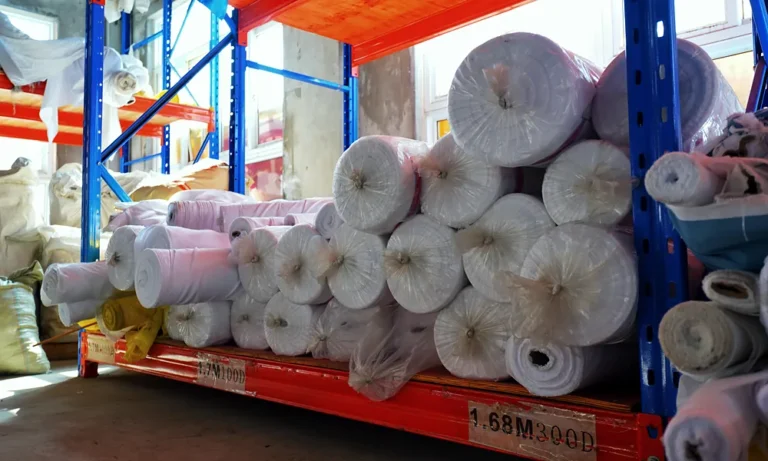
- Fabric weight. Our flag fabrics run from light 68D polyester through 100D, 150D and 300D woven polyester to 110 gsm knitted and 165 g/m² spun polyester. Tell us whether the flag will fly for events or stay up on a permanent pole, and we will recommend the weight. The flag fabric guide compares them.
Some US makers quote a rough reference life for nylon flags flown every day, while Annin says the life of an outdoor flag cannot be predicted accurately. We do not publish a lifespan figure for ours. The honest comparison is between two flags of the same fabric flown in the same place for the same hours.
Flags wearing out too fast where they fly? Send us a photo of the site and tell us how many hours a day the flags fly. We reply with the fabric weight and finishing we would use for that location, and the sample time.
How can you make an outdoor flag last longer?
An outdoor flag lasts longer when it comes down in storms, flies clear of walls and branches, and has its fly end re-hemmed early.
- Take flags down in storms and high winds.
- Keep the flag clear of walls, branches and gutters. Rubbing against a wall or branch wears through fabric quickly.
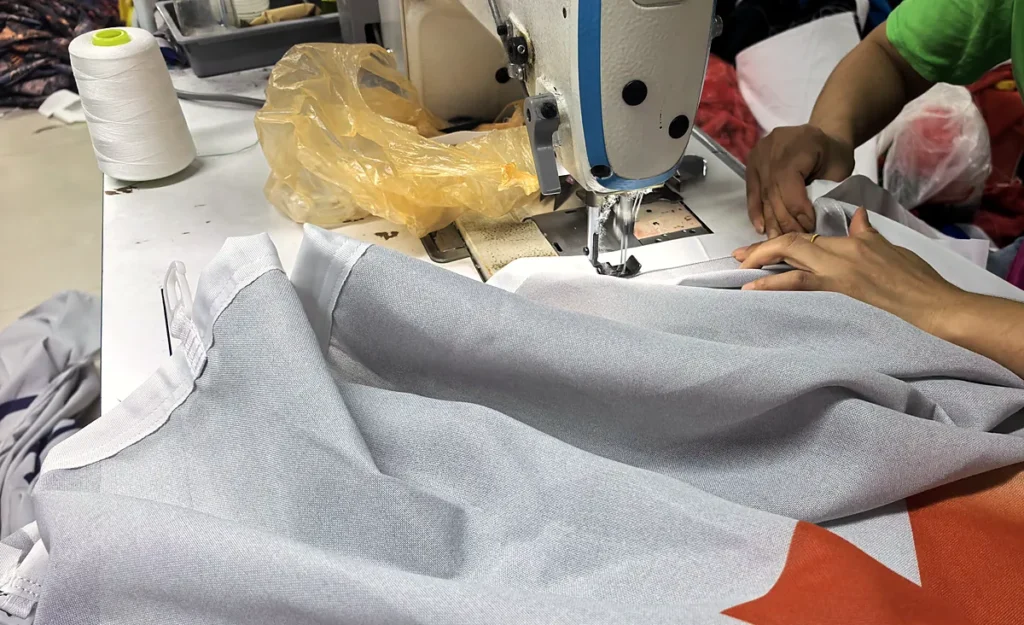
- Trim and re-hem a frayed fly end early. A small fray spreads quickly once threads start to unravel.
- Rotate two flags on a permanent pole, so each one rests and gets cleaned.
- Choose the fabric for the location. A light flag that is right for events is the wrong choice for a pole on a windy forecourt. A three-layer double-sided flag is heavier again and needs more wind to fly; see single vs double-sided flags.
How should you store flags between events?
Store a flag only when it is completely dry, rolled or loosely folded, somewhere dark and dry.
- Make sure the flag is completely dry. A damp flag stored in a bag can mark and smell.
- Fold it loosely, or roll it around a tube to avoid sharp creases. A textile conservator suggests 2-inch tubes for small, lightweight flags and 3-inch tubes for medium ones.
- Store it away from sunlight and heat, in a breathable bag or box rather than sealed plastic.
- Keep hardware separate, so poles and bases do not rub against the printed fabric.
When should you replace a flag?
Replace a flag when its colors no longer match your brand, its fly end has frayed past re-hemming, or its printed area has holes.
 Fabrics from 68D to 165 g/m² spun polyesterWholesale National FlagsSenior Flags makes international and national flags of any country in 68D or 100D polyester, 110gsm knitted polyester, 165 g/m² spun polyester, Oxford or satin, from…View specifications →
What care instructions should retailers give with a flag?
Retailers should give each flag a short care card covering washing, drying, creases and storage. On private-label orders, these care details can go on a sewn label or a printed insert; see private label and OEM. Feel free to adapt this text to the fabric and print on your order:
Caring for your flag
Hand wash or use a gentle cycle in cool water with mild detergent. No bleach. Rinse well and hang to dry out of direct sun. Do not tumble dry. To remove creases, use a garment steamer or press the flag from the back on the lowest setting with a cloth in between. Take your flag down in storms and high winds, and store it dry.
Frequently asked questions
Can you put a flag in the washing machine?
Many polyester flags can go in on a gentle cycle in cool water, inside a mesh laundry bag. Hand washing is gentler on the print. If the flag came with care instructions, follow those.
Can you put a flag in the dryer?
No. Hang it to dry instead. Dryer heat can damage polyester and the printed design, and a flag folded while still damp can mildew.
Can you use bleach or OxiClean on a flag?
No. Bleach, including oxygen bleach, fades and damages printed colors. Use a mild detergent and spot-clean stains gently.
Can you iron a polyester flag?
Yes, carefully. Use the lowest setting, press from the back with a cloth between the iron and the fabric, and never let a hot iron touch the printed face. On a care label, one dot means a maximum of 120 °C.
Can you dry clean a polyester flag?
Flag makers disagree. Annin, a US maker, lists professional dry cleaning as an option for its polyester flags, while Fahnen-Gärtner advises against it for printed flags. A gentle wash in cool water is enough for most flags.
Why does my new flag have creases?
Because it was folded for shipping. Polyester holds fold lines, and they relax with hanging, steam or a low-heat press.
How long does an outdoor flag last?
It depends on sun exposure, wind and fabric weight. A flag flown day and night in a windy, sunny spot wears out far faster than one raised for events. We publish no lifespan figure, so tell your supplier where the flag will fly.
Is washing a nylon flag different?
Not much. We print on polyester, but many US-made flags are nylon. Annin says its nylon flags can be hand-washed or machine-washed on a delicate cycle with cool water and a mild detergent.
Can you get wrinkles out of a flag without an iron?
Yes. Use a handheld garment steamer, held a few inches away and kept moving, or hang the flag and let it fly. Do not use a tumble dryer to relax creases: the heat can damage polyester and the print.
How do you store a flag so it doesn’t crease?
Roll it instead of folding it. Let it dry completely, roll it around a tube, and keep it somewhere dark and dry.
Why do flags fray at the end?
The fly end moves the most in the wind, so the threads there break first. Trimming and re-hemming early slows it down.
Ordering flags for a shop, venue or event program? Tell us where they will fly and for how long, and we will recommend the fabric and finishing. Samples take 5-7 calendar days and bulk production 15-20 calendar days, both counted from artwork confirmation and excluding shipping. Request a sample
Washing, drying and storage advice comes from the flag makers and guides linked in the text (Annin, Eder Flag, Fahnen-Gärtner, GINETEX and UF/IFAS Extension), read in October 2026. Folding and packing details describe how Senior Flags packs its own flags.